

What you eat after gum or dental implant surgery can make recovery more comfortable and help protect the area while it heals. In the first few days, you’ll generally want soft foods that require very little chewing, then slowly return to your regular diet as your mouth becomes less tender.
Pacific Northwest Periodontics, located in Seattle, WA, specializes in periodontal and implant care. The team includes Dr. Darrin Rapoport and Dr. Riccardo Di Gianfilippo, who are both Diplomates of the American Board of Periodontology.
What Can You Eat After Gum or Implant Surgery?
Soft, mild foods are usually easiest on your mouth early in recovery. Depending on your procedure and the instructions you receive, good choices may include:
- Yogurt
- Applesauce
- Scrambled eggs
- Mashed potatoes
- Cottage cheese
- Smooth soups that have cooled to a comfortable temperature
- Soft pasta
- Oatmeal
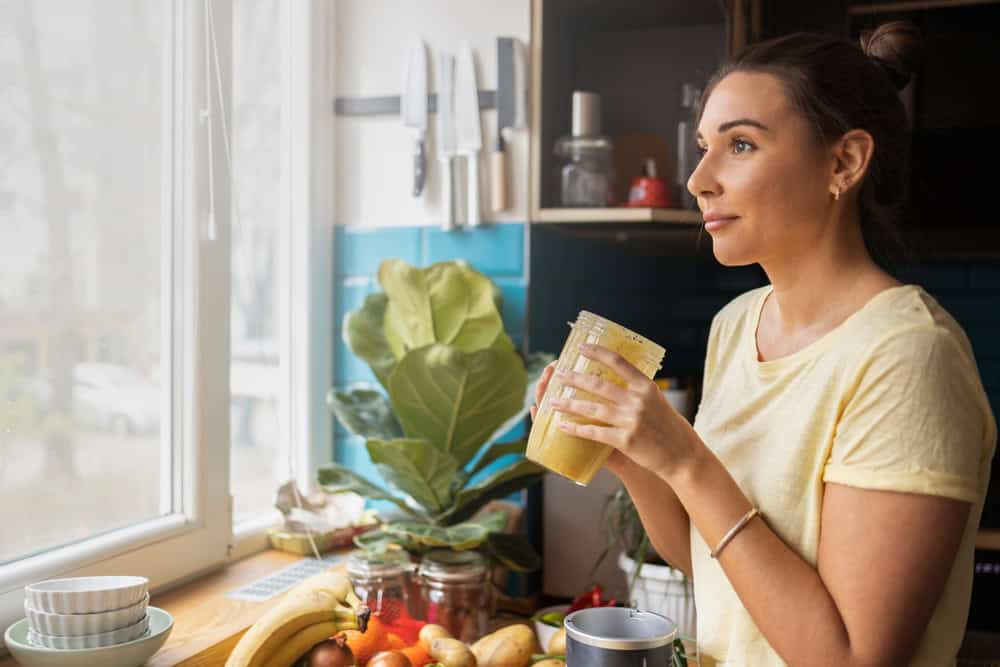
- Smoothies eaten with a spoon
You should also drink plenty of water to stay hydrated, and try to chew away from the surgical area when possible.
Your diet doesn’t need to stay this limited indefinitely. As soreness and swelling decrease, you can slowly add foods that require more chewing. Your periodontist will tell you when it’s appropriate to resume your typical diet based on your procedure and how you’re healing.
Foods to Avoid After Oral Surgery
Foods that are hard, sharp, sticky, very chewy, or likely to break into small pieces can irritate a healing surgical site. For the early recovery period, you’ll usually want to avoid foods such as:
- Nuts and seeds
- Popcorn
- Chips and crackers
- Hard or crusty bread
- Tough meat
- Sticky candy
- Very spicy foods
- Foods or drinks that are extremely hot
Alcohol may also interfere with your recovery or interact with medications, so follow your periodontist’s instructions about when it’s safe to drink it again. You might also be advised to avoid straws or other actions that create suction in your mouth.
When Can You Start Eating Normally Again?
No single timeline applies to every gum or implant procedure. Recovery may be quicker after a less involved procedure than after implant placement, grafting, or more extensive periodontal surgery.
Use discomfort as a guide, but don’t rely on it alone. The tissues can still be healing even after your mouth starts feeling better. Follow the diet and home-care instructions you receive, and don’t rush into crunchy or tough foods before your periodontist has cleared you.
Get Guidance for Your Recovery in Seattle, WA
Eating carefully after your procedure can help protect the area while your gums and surrounding tissues heal. For questions about periodontal surgery, dental implants, or recovery, contact Pacific Northwest Periodontics in Seattle, WA, at 206-575-1086.